
If you are considering dental implants in Chicago, one of the most common questions is simple: how long do dental implants last?
Dental implants are designed to be long-term tooth replacement solutions. Many remain stable for years when properly placed and maintained. Their longevity depends on oral hygiene, overall health, and consistent dental care.
Quick Answer: How Long Can Dental Implants Last?
With proper care and healthy bone support, dental implants can function for decades.
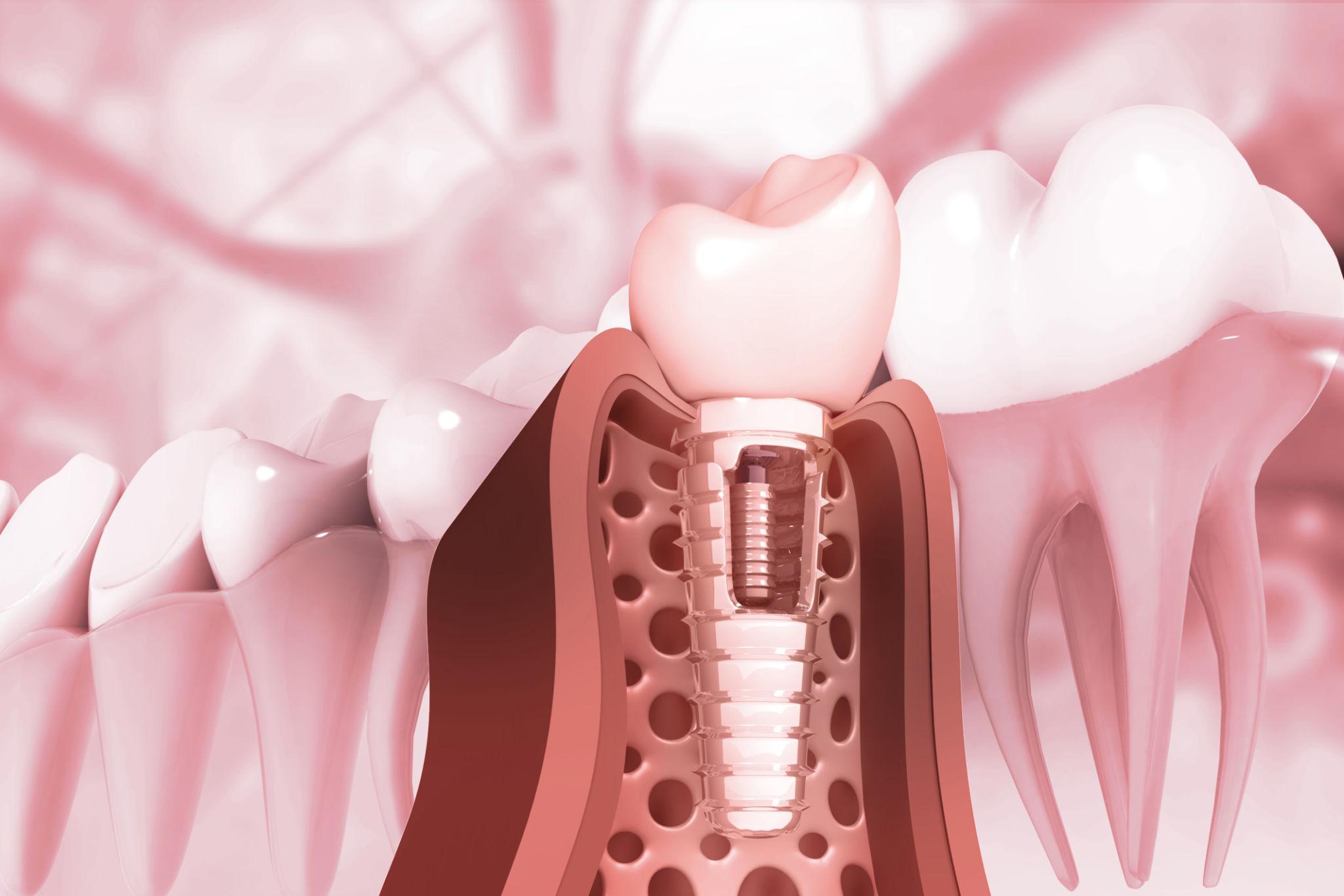
A dental implant has three main parts:
- The implant post placed in the jawbone
- The abutment connecting the post to the crown
- The visible crown, bridge, or prosthesis
The implant post can remain stable for many years. The crown or prosthetic may need replacement over time due to normal wear.
What Makes Dental Implants Durable?
Dental implants are placed directly into the jawbone. Over time, the bone integrates with the implant through a process called osseointegration. This creates a stable foundation similar to a natural tooth root.
Unlike traditional bridges, implants do not rely on neighboring teeth. Unlike removable dentures, they do not rest on the gums alone.
Their durability depends on:
- Stable bone integration
- Proper bite alignment
- Careful treatment planning
Long-term success begins with proper placement and continues with ongoing care.
7 Factors That Affect Dental Implant Longevity
1. Bone Quality and Density
Strong bone supports implant stability. If bone loss is present, grafting may be recommended to improve support.
2. Oral Hygiene Habits
Plaque can build around implants just like natural teeth. Brushing twice daily and flossing helps protect the implant.
Brushing twice daily and flossing carefully around the implant area supports long-term health. Regular professional teeth cleaning also plays an important role.
3. Gum Health
Healthy gums protect the bone around the implant. Untreated gum disease can affect stability.
4. Smoking
Smoking can interfere with healing and reduce blood flow to the gums and bone.
5. Bite Forces and Grinding
Clenching or grinding can place excess stress on implants. A nightguard may be recommended.
6. Regular Dental Checkups
Routine visits help monitor:
- Gum health
- Bite alignment
- Crown condition
- Bone support
7. Quality of the Restoration
The crown or bridge experiences daily wear. Well-designed restorations last longer.
Do Dental Implants Ever Fail?
Dental implants have high success rates, but no procedure is permanent in every case.
Possible reasons for complications include:
- Poor oral hygiene
- Gum disease
- Smoking
- Inadequate bone support
- Excessive bite pressure
Early evaluation of symptoms can help prevent more serious issues.
How to Maintain Dental Implants Long-Term
Protecting your dental implant involves consistent care.
Recommended steps:
- Brush twice daily with a soft-bristled toothbrush
- Floss carefully around the implant
- Use non-abrasive toothpaste
- Attend routine cleanings
- Report discomfort early
Implants require the same level of care as natural teeth.
Are Implants Better Than Bridges for Longevity?
Traditional bridges rely on adjacent teeth, which may experience stress over time.
Dental implants stand independently and help preserve surrounding bone. In many cases, they are considered a long-term solution when bone health is stable.
Your dentist will help you compare all options based on your needs.
What Happens If an Implant Crown Wears Down?
If the implant post is stable, the crown can often be replaced without removing the implant.
This allows for long-term function while maintaining the original implant.
Frequently Asked Questions
How long do dental implants last on average?
Many dental implants remain stable for decades with proper care.
Does the crown last as long as the implant?
The implant post may last longer. The crown may need replacement over time.
Can gum disease affect implants?
Yes. Gum health plays an important role in protecting implant stability.
Do implants need special cleaning tools?
Your dentist may recommend specific flossing tools or brushes designed for implant care.
What is the best way to protect my implant?
Good oral hygiene, regular dental visits, and avoiding tobacco support long-term results.
If you would like to learn more about dental implants in Chicago and how to protect them long term, call Minty Dental Boutique at (773) 286-5286 to schedule your consultation. We will evaluate your oral health and provide personalized guidance for lasting results.
