
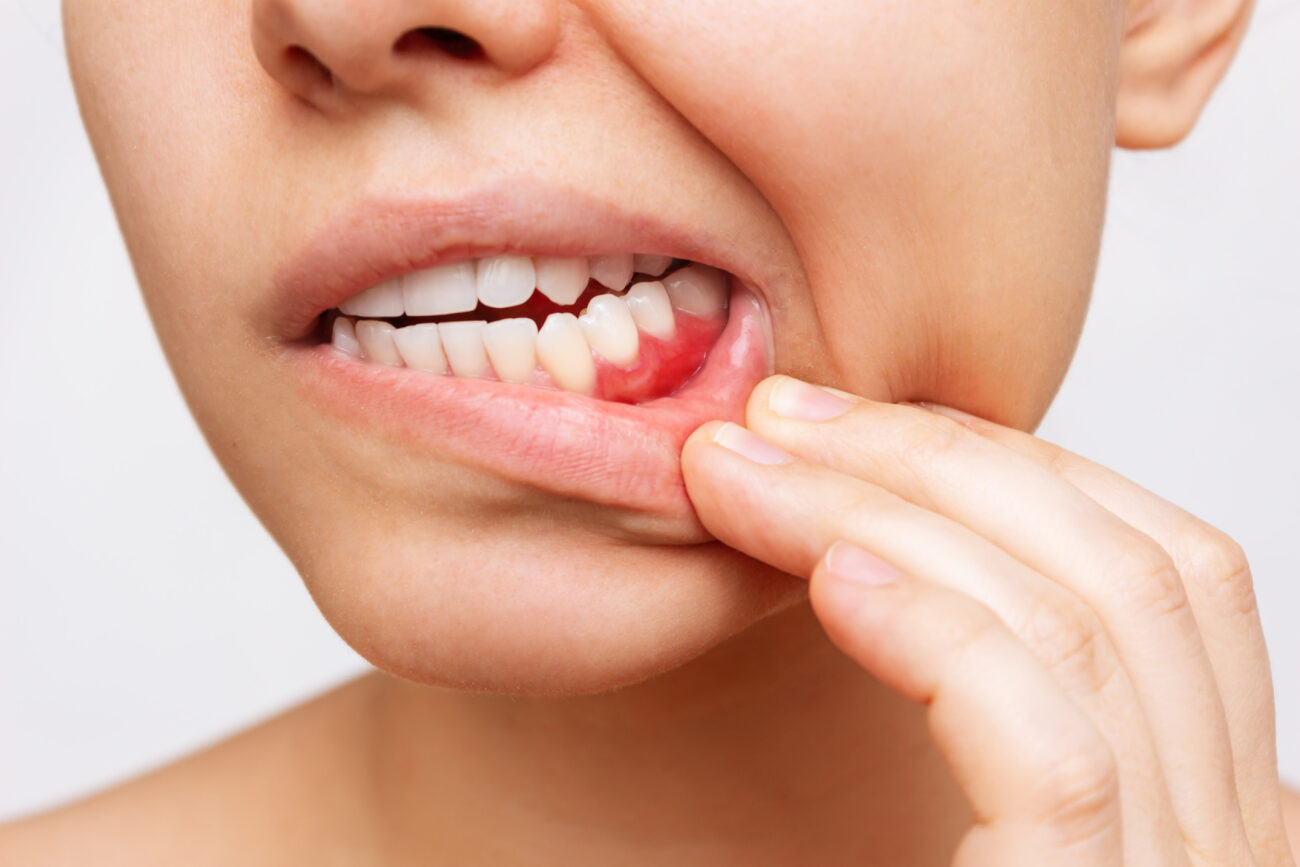
If your gums bleed when you brush or floss, it is easy to dismiss it. Many people assume they brushed too hard or skipped flossing for a few days.
Occasional minor bleeding can happen. Persistent bleeding is different.
Bleeding gums are often the earliest sign of gum inflammation. When addressed early, the condition is usually manageable. When ignored, it can progress to deeper infection and bone loss.
Is It Ever Normal for Gums to Bleed?
Short answer: not consistently.
Your gums should not bleed regularly during routine brushing and flossing. However, there are situations where mild bleeding may occur temporarily.
Examples include:
- You recently restarted flossing after a long break
- You had a recent dental cleaning
- You accidentally traumatized the gum tissue
In these cases, bleeding should improve within a few days if oral hygiene remains consistent and gentle.
If bleeding continues beyond a week or worsens, it is no longer “normal.” It is a signal that inflammation is present.
What Bleeding Gums Usually Mean
The most common cause of bleeding gums is plaque buildup along the gumline.
Plaque is a sticky film of bacteria. When it accumulates at the edge of the gums, it triggers an inflammatory response. The tissue becomes:
- Red
- Puffy
- Tender
- Prone to bleeding
This early stage of inflammation is called gingivitis.
Gingivitis is reversible when treated promptly. Without treatment, inflammation can extend deeper into the supporting structures of the teeth.
Gingivitis vs Periodontitis: What Changes?
Many patients in Chicago search for the difference between gingivitis and periodontitis.
Here is the distinction that matters.
Gingivitis
- Inflammation limited to the gums
- No bone loss
- Bleeding with brushing or flossing
- Often minimal discomfort
At this stage, professional cleaning and improved home care can restore gum health.
Periodontitis
- Inflammation extends deeper
- Bone supporting the teeth begins to break down
- “Deep pockets” form between teeth and gums
- Teeth may feel loose over time
Periodontitis is not simply “worse gingivitis.” It involves structural damage beneath the gumline. While it can be managed and stabilized, lost bone does not regenerate on its own without specialized treatment.
Dr. Tamara Marjan performs comprehensive periodontal charting to measure pocket depths and assess bone levels before recommending therapy.
What Are “Deep Pockets”?
Healthy gums fit snugly around teeth.
When infection progresses, the space between the tooth and gum deepens. These spaces are called periodontal pockets.
Deeper pockets allow bacteria to accumulate in areas that toothbrushes and floss cannot reach. This perpetuates the cycle of inflammation.
If you have been told you have “deep pockets,” it is an indicator that periodontal treatment may be necessary.
Bleeding Around Dental Implants
Bleeding is not limited to natural teeth.
If you notice bleeding around a dental implant, it may signal inflammation of the surrounding tissue. Early implant inflammation can often be managed. If ignored, it can progress to more serious complications.
Patients with implants who notice bleeding, swelling, or tenderness should schedule evaluation promptly.
Risk Factors That Increase the Likelihood of Bleeding Gums
Certain factors make gum inflammation more likely.
These include:
- Inconsistent brushing and flossing
- Smoking or vaping
- Diabetes
- Hormonal changes
- Genetic predisposition
- Poorly fitting dental restorations
Patients with diabetes or cardiovascular risk factors should be especially attentive to gum health, as inflammation can have broader health implications.
What Happens During a Periodontal Evaluation?
If you schedule a consultation at Minty Dental Boutique, your visit may include:
- Full periodontal charting to measure pocket depths
- Assessment of gum recession
- Evaluation of bone levels using digital imaging
- Review of medical history and risk factors
Dr. Marjan explains findings clearly and outlines a treatment plan tailored to your stage of disease.
This may include non-surgical therapy or, in more advanced cases, regenerative procedures.
How Bleeding Gums Are Treated
Treatment depends on severity.
For Early Gingivitis
- Professional cleaning
- Improved brushing technique
- Consistent flossing
- Antimicrobial mouth rinses when indicated
Early intervention often reverses symptoms completely.
For Periodontitis
Treatment may include:
- Scaling and root planing to remove bacteria beneath the gumline
- Local antimicrobial therapy
- Periodontal maintenance every 3 to 4 months
- Surgical procedures if pockets remain deep
The objective is to stop progression and protect remaining bone.
When Should You Call a Periodontist?
Schedule an evaluation if you notice:
- Bleeding every time you brush
- Swollen or receding gums
- Persistent bad breath
- Teeth shifting position
- Sensitivity at exposed roots
- Gum tenderness that does not improve
Early treatment is more conservative and predictable than delayed care.
Can Bleeding Gums Affect Overall Health?
Chronic inflammation in the gums does not remain isolated to the mouth.
Research has shown associations between gum disease and systemic conditions such as cardiovascular disease and diabetes. While gum disease does not directly cause these conditions, managing inflammation is an important part of overall health maintenance.
Maintaining healthy gums supports long-term oral and systemic wellness.
Frequently Asked Questions About Bleeding Gums
If my gums bleed only sometimes, should I worry?
Occasional mild bleeding may improve with consistent hygiene. Persistent or worsening bleeding should be evaluated.
Can gingivitis be reversed?
Yes. Early-stage gingivitis can often be reversed with professional cleaning and improved home care.
Do bleeding gums always mean gum disease?
Not always, but they are commonly linked to inflammation. A clinical exam determines the cause.
Will treatment be painful?
Non-surgical therapy is typically well tolerated. Local anesthesia is used when appropriate for comfort.
How often should I see a periodontist?
Frequency depends on your diagnosis. Patients with periodontitis often benefit from maintenance visits every 3 to 4 months.
If you are experiencing bleeding gums in Chicago, do not wait for symptoms to worsen. Call Minty Dental Boutique at (773) 286-5286 to schedule your periodontal consultation with Dr. Tamara Marjan and protect the foundation of your smile.
