
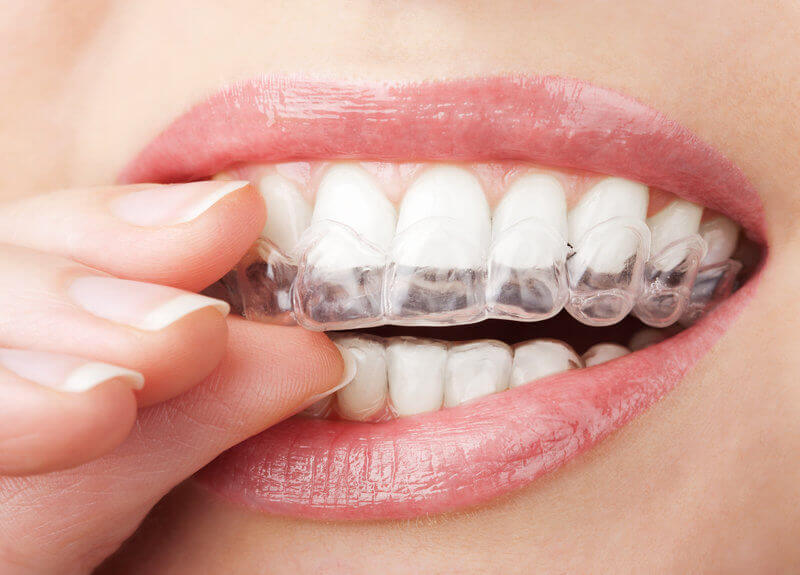
If you are considering Invisalign in Chicago, you may be wondering, “Am I actually a good candidate?”
Invisalign works well for many teens and adults, but it is not the right solution for every orthodontic concern. The best way to know for sure is through a professional evaluation.
Quick Answer: Who Is a Good Candidate for Invisalign?
You may be a good candidate for Invisalign if you:
- Have mild to moderate crowding
- Have small to moderate gaps between teeth
- Have certain bite issues such as mild overbite or crossbite
- Are committed to wearing aligners 20 to 22 hours per day
- Maintain good oral hygiene
Candidacy depends on both clinical factors and personal responsibility.
Step 1: The Oral Health Check
Before starting Invisalign, your teeth and gums must be healthy.
Your dentist will check for:
- Active cavities
- Gum inflammation or periodontal disease
- Bone support around teeth
- Signs of grinding or clenching
Orthodontic movement requires healthy supporting structures. If gum treatment or restorative care is needed first, that will be addressed before beginning aligners.
Step 2: Alignment and Bite Evaluation
Invisalign is commonly used to treat:
- Crowded teeth
- Spacing issues
- Mild to moderate overbite
- Mild underbite
- Crossbite in certain cases
More severe bite discrepancies or jaw alignment concerns may require alternative orthodontic approaches.
During your consultation, digital scans help map out potential tooth movement and determine predictability.
Step 3: Age and Growth Considerations
Adults
Many adults in Chicago pursue Invisalign because it offers a discreet orthodontic option. Adults with stable jaw development are often strong candidates if their alignment concerns are manageable with aligners.
Teens
Teens can also benefit from Invisalign, provided they are responsible with wear time. Consistency matters. If aligners are frequently removed or misplaced, treatment may be delayed.
Your dentist will assess both alignment needs and compliance readiness.
Step 4: Lifestyle and Commitment
Invisalign requires daily discipline.
To stay on track, patients must:
- Wear aligners 20 to 22 hours per day
- Remove them only for eating and brushing
- Clean trays properly
- Attend scheduled progress visits
If you prefer a fixed solution that does not rely on daily removal and reinsertion, traditional braces may be worth discussing.
Who May Need Other Orthodontic Options?
While Invisalign can treat many cases, it may not be ideal for:
- Severe bite misalignment
- Significant jaw discrepancies
- Complex tooth rotations
- Cases requiring major vertical movement
In these situations, braces or referral for orthodontic specialty care may be recommended.
At Minty Dental Boutique, we will explain your options clearly and help you understand the reasoning behind any recommendation.
Invisalign vs Braces: Candidacy Differences
Both Invisalign and braces move teeth effectively, but they work differently.
Invisalign may be appropriate when:
- Tooth movement can be guided predictably with aligners
- The patient prefers removable trays
- Cosmetic discretion is important
Braces may be recommended when:
- More precise control is required
- Complex tooth movements are needed
- Compliance concerns exist
A clinical exam is the only reliable way to determine which method fits your case.
Invisalign Candidacy Self-Checklist
While a professional evaluation is necessary, you can ask yourself:
- Do I have mild to moderate alignment concerns?
- Am I willing to wear aligners most of the day?
- Do I want a removable option?
- Are my teeth and gums generally healthy?
If you answered yes to most of these questions, Invisalign may be worth exploring further.
What to Ask at Your Invisalign Consultation
Coming prepared with questions helps you feel confident.
Consider asking:
- Am I a strong candidate for Invisalign?
- How complex is my case?
- How long will my treatment likely take?
- Will I need refinement trays?
- Are attachments required?
- What happens if Invisalign is not ideal for my case?
- What are my payment options?
Clear communication allows you to make an informed decision.
Frequently Asked Questions About Invisalign Candidacy
Can Invisalign fix severe bite problems?
Invisalign can address certain bite issues, but severe discrepancies may require alternative orthodontic treatment.
Is Invisalign suitable for older adults?
Many adults pursue Invisalign successfully. Age alone does not disqualify a patient.
What if I have gum disease?
Gum health must be stabilized before starting orthodontic treatment. Your dentist will assess this during your exam.
Do I need perfect teeth to qualify?
No. Invisalign is designed to improve alignment. However, overall oral health must support safe movement.
What if I am not a candidate?
If Invisalign is not appropriate, your dentist will discuss other treatment options that better suit your needs.
If you would like to find out whether Invisalign is right for you, call your Forest Glen Dentist at Minty Dental Boutique on (773) 286-5286 to schedule your consultation in Chicago. Our team will review your smile carefully and help you understand your best next step.