Dental implants are designed to replace missing teeth with stability and function. But implants are not immune to gum disease.
If you notice bleeding, swelling, or tenderness around a dental implant, it may be an early sign of implant-related inflammation. Addressing these symptoms early can prevent more serious complications.
What Is Peri-Implantitis?
Peri-implantitis is an inflammatory condition that affects the gum and bone surrounding a Dental Implants in Chicago.
It develops when bacteria accumulate around the implant surface, triggering inflammation similar to gum disease around natural teeth. Over time, this inflammation can lead to bone loss around the implant.
There are two primary stages of implant-related inflammation:
Peri-Implant Mucositis
- Inflammation limited to the gum tissue
- Bleeding when brushing or probing
- No bone loss
This stage is often reversible with professional cleaning and improved home care.
Peri-Implantitis
- Inflammation extends to supporting bone
- Progressive bone loss around the implant
- Possible implant mobility in advanced stages
This condition requires prompt evaluation and specialized treatment to stabilize the area.
Why Bleeding Around an Implant Should Not Be Ignored
Some patients assume bleeding around an implant means they brushed too aggressively.
While brushing technique matters, consistent bleeding around an implant is not considered normal.
Implants do not have the same protective ligament structure as natural teeth. This makes early inflammation easier to miss and potentially more destructive if untreated.
If you see blood while flossing around an implant, schedule an evaluation rather than waiting for pain to develop.
What Causes Implant Inflammation?
Several factors increase the risk of peri-implant disease.
Plaque Accumulation
Bacteria collect along the gumline and under the implant crown. Without thorough cleaning, this biofilm triggers inflammation.
History of Periodontal Disease
Patients who previously had periodontitis have a higher risk of developing inflammation around implants.
Infrequent Maintenance Visits
Implants require professional monitoring. Skipping periodontal maintenance increases risk.
Smoking or Vaping
Nicotine reduces blood flow to gum tissue and interferes with healing.
Excessive Bite Forces
Grinding or clenching can create mechanical stress that contributes to bone breakdown around implants.
Early Warning Signs of Peri-Implant Disease
Call for evaluation if you notice:
- Bleeding when brushing around the implant
- Swelling or redness of the gum tissue
- Tenderness when chewing
- Gum recession exposing implant components
- Pus or drainage near the implant
These symptoms indicate inflammation that should be addressed promptly.
How Is Peri-Implantitis Diagnosed?
Dr. Tamara Marjan performs a detailed evaluation that may include:
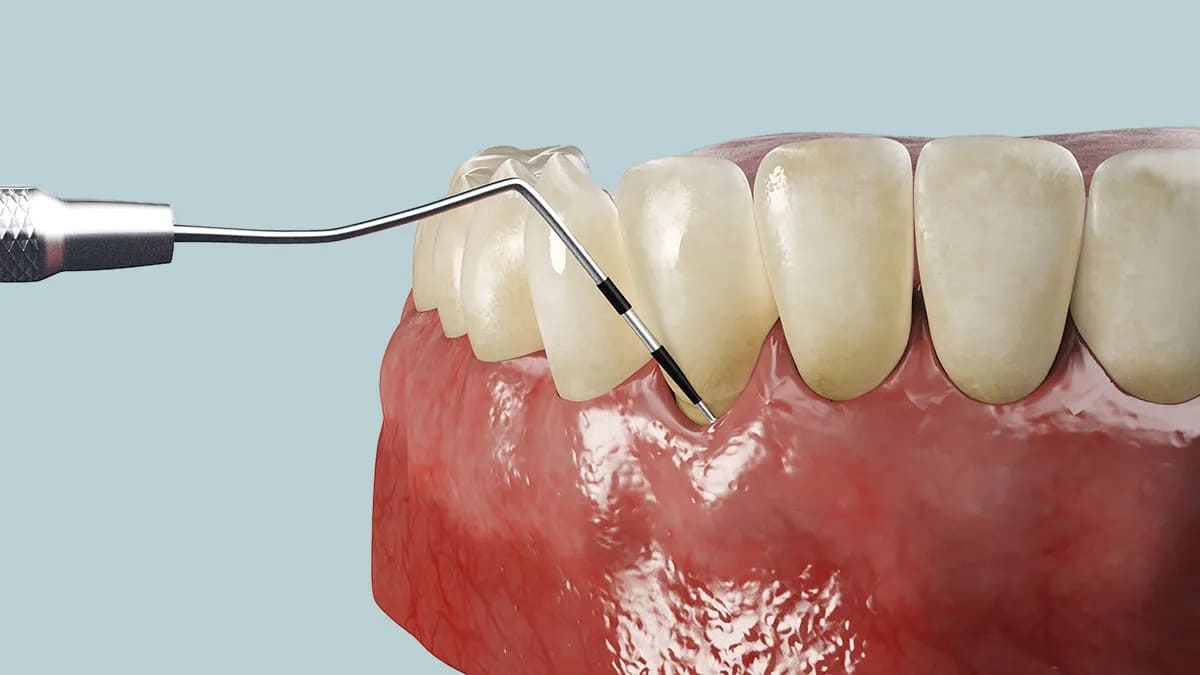
- Measuring pocket depths around the implant
- Assessing bleeding points
- Evaluating gum tissue quality
- Digital imaging to assess bone levels
Comparing current imaging with baseline records helps determine whether bone loss is present.
Early detection makes treatment more predictable.
Treatment Options for Implant Inflammation
Treatment depends on severity.
For Peri-Implant Mucositis
- Professional cleaning around the implant
- Removal of plaque and calculus deposits
- Reinforcement of home-care technique
- Possible localized antimicrobial therapy
At this stage, inflammation can often be controlled successfully.
For Peri-Implantitis
If bone loss is present, treatment may include:
- Mechanical decontamination of the implant surface
- Surgical access to clean deeper areas
- Bone grafting in select cases
- Regenerative procedures to rebuild support
The objective is to stop progression and preserve implant stability.
Each case requires individualized planning.
Can Dental Implants Fail Because of Gum Disease?
Advanced peri-implantitis can compromise implant stability.
If bone loss progresses significantly, the implant may become loose.
Early intervention dramatically reduces this risk. Routine monitoring is essential to long-term implant success.
How to Protect Dental Implants at Home
Implants require deliberate daily care.
Brush Twice Daily
Use a soft-bristle toothbrush and focus carefully along the gumline.
Clean Between Teeth and Implants
Floss, interdental brushes, or water irrigation devices may be recommended depending on your restoration design.
Avoid Aggressive Techniques
Excessive force can irritate tissue without improving cleaning.
Monitor for Changes
Pay attention to bleeding, swelling, or discomfort. Early symptoms are easier to treat.
The Role of Periodontal Maintenance
Patients with implants benefit from professional maintenance visits every 3 to 4 months, especially if they have a history of gum disease.
During these visits, your periodontist:
- Removes plaque beneath the gumline
- Evaluates tissue health
- Monitors bone stability
- Reinforces personalized hygiene strategies
Maintenance is preventive, not reactive.
Implant Planning and Gum Health
For patients planning dental implants, controlling gum disease beforehand is critical.
Healthy bone and stable gum tissue create the conditions necessary for long-term implant success.
If you have active periodontal disease, treatment should be completed before implant placement.
Frequently Asked Questions About Peri-Implantitis
Can peri-implantitis be reversed?
Early inflammation limited to gum tissue can often be managed. Bone loss requires specialized treatment to stabilize.
Are implants more resistant to gum disease than natural teeth?
Implants do not decay, but surrounding tissue can become inflamed if bacteria accumulate.
How often should implants be checked?
Patients with implants typically benefit from professional monitoring every 3 to 4 months.
Does bleeding around an implant mean failure?
Not necessarily. It often signals early inflammation that can be treated.
Can bone loss around implants be rebuilt?
In some cases, regenerative procedures may help restore support. Evaluation determines candidacy.
If you notice bleeding or swelling around a dental implant in Chicago, do not ignore it. Call Minty Dental Boutique at (773) 286-5286 to schedule a periodontal evaluation with Dr.Tamara Marjan and protect your implant long term.